
Share this article
Iranian law encompasses a complex mix of civil, criminal, family, commercial, and procedural codes derived from Islamic jurisprudence and statutory law. For foreign lawyers, heirs, spouses, or corporations engaging with Iranian legal issues, obtaining a legal opinion on Iranian law or working with an expert witness can be essential to successful cross-border litigation, compliance, and dispute resolution. This article explains why such opinions matter, the roles of lawyers and experts, common practice areas, and practical requirements for effective legal engagement.
What Is a Legal Opinion on Iranian Law?
A legal opinion is a written analysis prepared by a qualified lawyer or expert that explains how Iranian law applies to specific facts, contractual clauses, or legal questions. It may be sought by foreign courts, arbitration panels, or international counsel to clarify Iranian legal principles, procedures, and likely outcomes where Iranian law governs a dispute. Unlike general commentary, a legal opinion is tailored, authoritative, and often supported by citations to statutes, case law, and procedural rules.
Why You Would Need an Opinion on Iranian Law
Foreign legal professionals and clients typically require legal opinions on Iranian law in the following contexts:
Cross-Border Litigation and Arbitration
When a foreign court or tribunal must apply Iranian law (for example, in contracts governed by Iranian legal provisions), legal opinions clarify the substance of the law and its interpretation. Without such an opinion, courts may rely on default assumptions or treat Iranian law as a “black box.”
Family Law and Personal Status Matters
Issues such as marriage, divorce, child custody, and inheritance under Iranian law often hinge on Islamic legal rules and complex statutory provisions. A tailored opinion helps foreign attorneys advise clients or present evidence to courts abroad.
Probate, Inheritance, and Property
Iran’s legal framework for inheritance (including forced heirship rules) and property ownership requires specific interpretation for estates involving Iranian nationals or assets in Iran. This frequently arises for foreign heirs or spouses.
Corporate and Investment Compliance
Foreign companies entering Iranian markets or transacting with Iranian entities need an authoritative analysis of commercial codes, regulatory compliance requirements, and applicable procedural law. Legal opinions provide risk assessment and compliance guidance.
Iranian Lawyer Opinion vs. Expert Witness Opinion
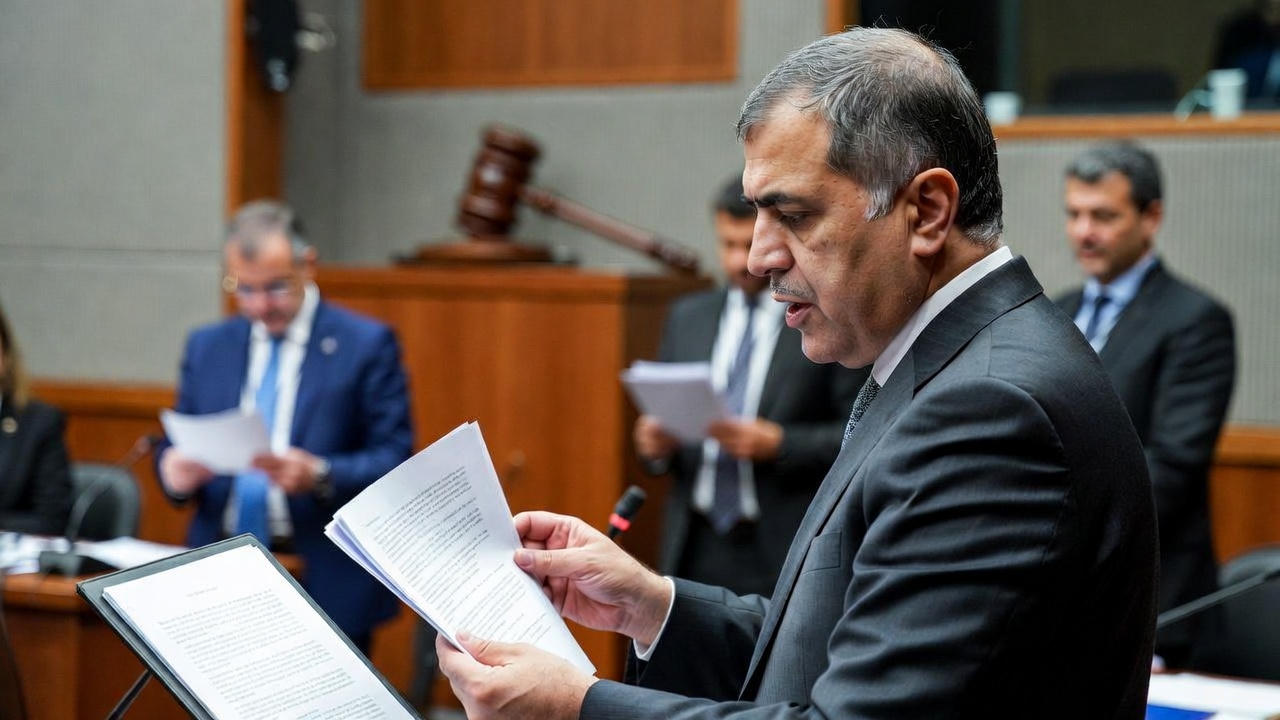
Legal Opinion by an Iranian Lawyer
A legal opinion typically focuses on explaining applicable legal norms and interpreting relevant statutes within a given factual scenario. Iranian lawyers who draft such opinions must fully understand domestic law and its application, including:
- Civil code provisions
- Family law and personal status
- Commercial and contract law
- Procedural requirements in Iranian courts
Expert Witness Opinion
An expert witness goes further: they not only draft a legal opinion but are qualified to present it formally in judicial or arbitral proceedings abroad. Expert witness services may include written reports, depositions, and testimony explaining Iranian law to judges, arbitrators, or counsel who lack familiarity with it. These experts are valued for their ability to translate Iranian legal principles into a form recognized by foreign adjudicators.
In most jurisdictions, an expert witness is “a person whose opinion by virtue of education, training, certification, skills or experience, is accepted by the judge as an expert,” and may provide expert evidence to the court.
Requirements for Iranian Legal Opinions and Expert Reports
Drafting an opinion or expert report on Iranian law requires these key elements:
- Qualified Legal Author
The author should be either a licensed Iranian attorney or a recognized scholar with demonstrated expertise in the relevant legal field. An expert familiar with both Iranian and foreign procedural norms adds significant credibility. - Clear Statement of Facts
Opinions must start with unambiguous factual assumptions to avoid misinterpretation by the receiving authority. - Citation to Law and Practice
Reference to statutory articles, procedural codes, and authoritative interpretations (including regulations and administrative practice) is essential. - Jurisdictional Context
The venue where the opinion will be used (e.g., a US federal court versus an English tribunal) affects its format, supporting documents, and whether oral testimony may follow. - Neutral and Objective Tone
Legal opinions must present balanced analysis without advocating unjustified positions; credibility is paramount. - Bilingual Presentation (if needed)
Many clients require opinions in both English and Farsi to ensure accuracy and usability in domestic Iranian processes or foreign legal proceedings.
Fields of Work Where Iranian Legal Opinions are Common
Lawyers and expert witnesses frequently work in these substantive areas:
Family and Personal Status Law
- Interpretation of Iranian marriage contracts
- Dowry (Mahriyeh) obligations and enforcement
- Divorce grounds and procedural requirements
- Child custody and guardianship rules
Inheritance and Probate
- Distribution of estates under Iranian succession law
- Recognition of Iranian wills abroad
Civil Contracts and Commercial Law
- Validity and enforceability of agreements under Iranian civil and commercial codes
- Interpretation of choice-of-law clauses
Real Estate and Property
- Title disputes involving land in Iran
- Tenant-landlord issues and foreign ownership restrictions
Regulatory Compliance
- Understanding sanctions risk and compliance implications (where applicable)
Common Misconceptions and Risks
Assuming Uniform Legal Standards
Iranian law differs substantially from common law systems. For example, procedural rights, defenses, and evidentiary standards may vary. Foreign lawyers must avoid importing assumptions based on their domestic jurisdiction.
Underestimating Cultural or Sharia-Based Nuances
Many Iranian statutory principles are influenced by Islamic jurisprudence; understanding these requires specialized expertise.
Neglecting Procedural Requirements for Expert Admissibility
Foreign courts have specific rules for admitting expert evidence; compliance with those rules is crucial.
How MJK Law Firm Approaches Iranian Law Opinions

At MJK Law Firm, legal opinions and expert reports on Iranian law are prepared by seasoned practitioners with deep comparative experience. Our methodology includes:
- Comprehensive legal research in both statutory texts and authoritative interpretations
- Factual validation and careful alignment with client goals
- Clear, structured opinions suitable for litigation, arbitration, or transactional use
- Support for translation, certification, and court admissibility
This ensures that opinions serve not only as academic analyses but as usable instruments in real legal disputes.
Frequently Asked Questions
Q1. Can Iranian legal opinions be used in foreign courts?
Yes — expert reports on Iranian law are routinely accepted in U.S. and other foreign courts when properly prepared by credentialed experts.
Q2. What is the difference between a lawyer and an expert witness?
A lawyer advises, represents, and drafts legal arguments; an expert witness explains foreign law to a foreign tribunal and may testify under cross-examination.
Q3. Do I need a bilingual opinion?
In many cases, yes. Bilingual reports ensure that documents are usable in both Iranian authorities and foreign proceedings.
Q4. How long does it take to prepare a legal opinion?
Timing depends on complexity but generally ranges from several days to weeks, given the need for careful research and drafting.
Q5. What fields of Iranian law are most commonly requested by foreign counsel?
Family law, inheritance , property, and the interpretation of commercial contracts are among the most frequent requests.
Conclusion
For foreign legal professionals, heirs, spouses, and international companies dealing with Iranian legal questions, securing a credible legal opinion or expert witness report on Iranian law is often indispensable. Expert analysis not only clarifies complex statutory frameworks but also enhances the prospects of success in cross-border disputes.
Contact a competent Iranian law expert or lawyer today to discuss how a tailored legal opinion can support your legal strategy.